How to sell a house with flood or water damage in Texas
Yes, you can sell a house with flood or water damage in Texas. The damage changes what buyers may accept, what you may need to disclose, and whether repairing first is worth the cost.
This guide explains your selling options, and when repairing, waiting on insurance, or selling as-is may make more sense.
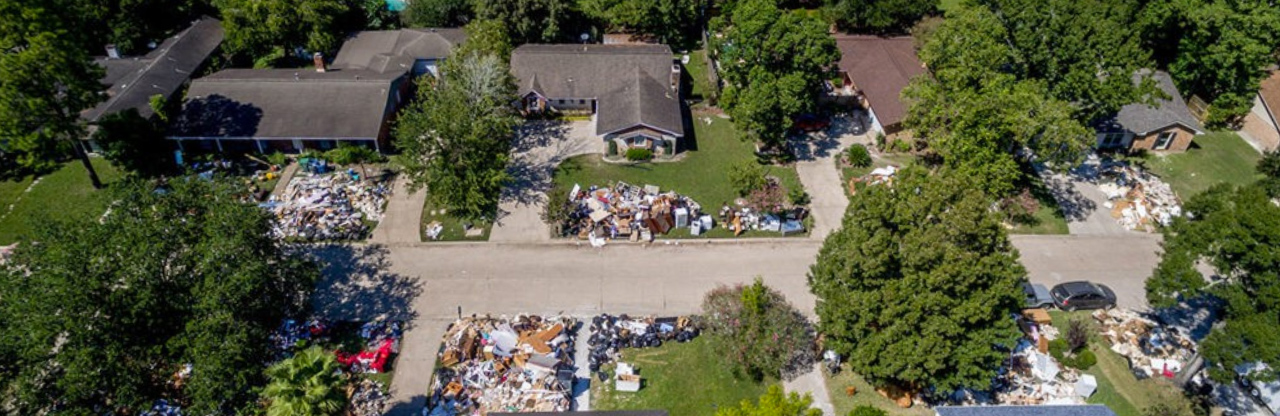
- You can sell a house with flood or water damage in Texas. The main decision is whether repairing first or selling in its current condition leaves you in the better position.
- Texas sellers generally must disclose known flood history and certain flood-risk information. Selling as-is does not remove those disclosure obligations
- Flood damage affects value differently from house to house. Current condition, flood history, flood-zone status, insurance costs, and nearby sales all matter.
- Repairing can open the door to more retail buyers, but you may not recover everything you spend. Selling directly as-is avoids upfront repairs and buyer-financing risk, but the offer reflects the damage.
- If you choose a cash buyer, vet the buyer and the contract carefully. After a disaster, proof of funds, termination rights, and a verifiable track record matter.
Your options for selling a flood-damaged home
Once you know the extent of the damage, there are two main ways to sell.
Repair and list. Repairing first gives you access to a larger pool of retail buyers and may support a higher sale price. The tradeoff is the money and time you have to put in before listing. Flood repairs can also grow once walls, flooring, or subfloors are opened up, and there is no guarantee you will recover everything you spend in the final sale price.
Sell directly as-is. A cash buyer evaluates the house in its current condition and prices the repairs into the offer. You do not have to finish remediation or restoration first, and there is no lender requiring the property to meet financing standards before closing. The tradeoff is a lower price than a fully repaired home may bring on the retail market.
What if the insurance claim is still open? You may not need to make the selling decision immediately. Document the damage and understand what the claim is likely to cover before committing money to repairs or accepting an offer. The status of the claim can affect your numbers, so it should be part of the decision rather than treated as a separate selling method.
What Texas sellers have to disclose about flooding
For most previously occupied single-family homes in Texas, the seller must provide a Seller’s Disclosure Notice based on what they know about the property. The form asks about prior flooding or water penetration and whether the property is located wholly or partly in areas such as a 100-year or 500-year floodplain, floodway, flood pool, or reservoir.
Selling as-is does not change that obligation. A cash buyer should still expect an accurate disclosure of the property’s known flood history and condition.
You also do not have to investigate facts you do not already know simply to complete the notice. TREC specifically notes that sellers complete the disclosure to the best of their knowledge and belief.
What affects the value of a flood-damaged house?
Buyers are usually weighing several things at once.
Current condition. A house that has been fully dried, remediated, and repaired is different from one with damaged flooring, drywall, framing, electrical systems, or persistent mold. The amount of work still ahead becomes part of what buyers are willing to pay.
Flood history. One flood followed by proper remediation is different from a property with repeated flooding. Even after repairs, buyers may factor the history into what they are comfortable paying.
Flood-zone status and insurance costs. Properties in a FEMA Special Flood Hazard Area can come with mandatory flood-insurance requirements for buyers using certain federally regulated or insured mortgages. That ongoing cost can affect affordability and buyer demand.
What nearby homes are actually selling for. After a widespread flood, pre-flood values may not tell the whole story. Buyers, agents, and appraisers will look at recent comparable sales, including how other affected homes were repaired and priced.
Bottom line: The home is worth what buyers are willing to pay for it now, given its current condition, history, location, and remaining repair costs.
For some sellers, repairing first still makes sense. For others, the repair bill, insurance gap, contractor timeline, or risk of putting more money into the house makes selling as-is the more practical choice.
What selling a flood-damaged house as-is looks like
A cash sale removes the buyer’s lender from the process. This matters when flood damage could otherwise lead to repair requirements, financing delays, or a loan that cannot move forward.
It doest mean the buyer skips due diligence. A cash buyer will still evaluate the damage and factor the condition, repairs, and risk into the offer.
The process is usually straightforward:
You share what you know about the property, flood history, and current condition.
The buyer evaluates the house and the work it needs.
You receive an as-is offer with no obligation to accept it.
If you accept, you agree on a closing date and any title work begins.
The mortgage, liens, and other amounts due are handled through closing, and you receive the remaining proceeds.
Because there is no buyer mortgage underwriting, a cash sale can remove one major source of delay. Title issues, liens, or other property-specific problems can still affect the timeline.
One thing to flag early: if you received an SBA disaster loan, tell the buyer or title company. Some SBA physical-disaster loans require collateral, and real estate is SBA’s preferred form of collateral, so there may be a lien or other payoff issue that has to be addressed before the property can transfer.
That last point is worth keeping. The original SBA note was genuinely useful, it just needed the qualifier that not every SBA disaster loan is necessarily recorded against the house.
How to vet a cash buyer after a flood
After a disaster, urgency can make it easier for scams and high-pressure offers to get through. Texas consumer-protection officials routinely warn people to slow down, check who they are dealing with, and read contracts carefully after floods and other disasters.
Before accepting a cash offer, check a few basics:
Ask for proof they can close. A legitimate buyer should be able to provide current proof of funds or other evidence that the purchase is actually funded.
Read the contract, not just the offer price. Look at the buyer's termination rights, option periods, assignment language, and anything that could allow the price or deal to change before closing.
Verify who you are dealing with. Look up the buyer or business independently, check its history and reviews, and make sure the name on the contract matches the person or company you researched.
And do not let urgency replace due diligence. A buyer who pressures you to sign before you understand the contract is giving you a reason to slow down.
For a fuller checklist, see our guide on “We Buy Houses” scams.
A simpler way to move forward
Once you know what the repairs will cost and what insurance will cover, you can compare that path with what the house is worth as-is. Big State can give you an offer based on the property in its current condition, so you have a real number to work with before putting more money into the house.
Want to see what it looks like to sell as-is and move forward with Big State? Hear from a seller who chose a simpler path and see what we took off their plate. All our seller stories are verified with a review link.
TALK TO US
When you’re ready to talk, start here.
You don't have to have everything figured out before you call. If you're in Houston or DFW and want to know what a cash sale looks like for you, let's talk.
You're not committing to anything. You're just getting clarity.
or call888-981-9143