Texas squatters rights: What property owners need to know
Texas does not give someone ownership rights simply because they move into or stay in a property without permission. How they came in does dictate how they can be removed.
This guide shows how former tenants, family members, and unlawful occupants each require different removal processes.
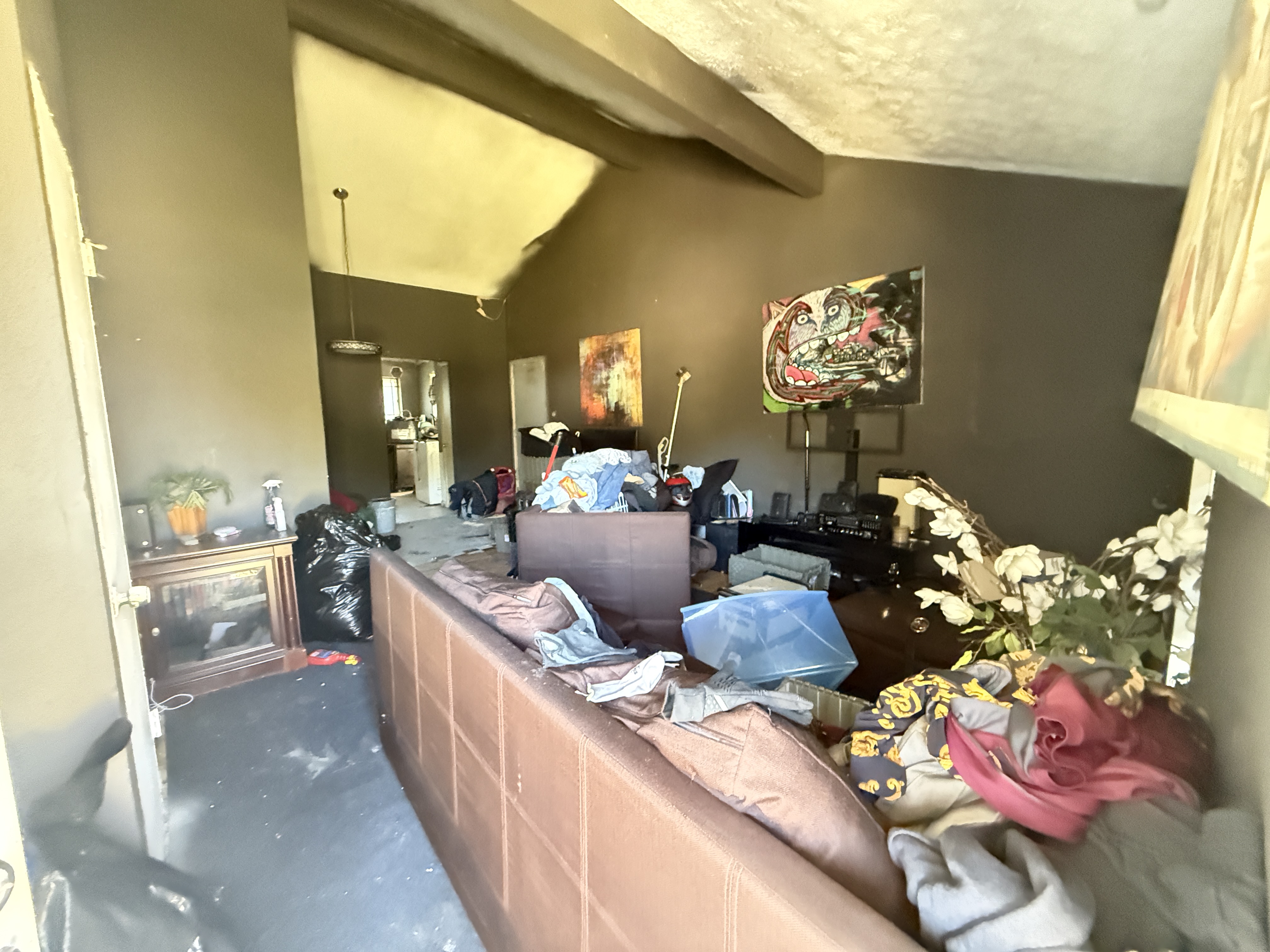
- “Squatters rights” is common shorthand, not a separate ownership right in Texas. Someone does not gain ownership simply by moving into a vacant property.
- Adverse possession is the real legal issue. The general Texas period is 10 years, while the 3- and 5-year paths apply only in narrower circumstances involving title documents and, for the 5-year rule, property taxes.
- Who is in the property matters. A trespasser, tenant at sufferance, family member, and someone claiming an ownership interest may require different removal processes.
- Texas now has a faster removal process for some unauthorized occupants. Qualifying owners can file a sworn complaint with the county sheriff or constable instead of starting with a traditional eviction.
- An occupancy problem does not automatically prevent a sale. If someone is living in the property, the key is understanding who they are and how they got there before deciding what needs to happen next.
What is a squatter? And what it is not
“Squatter” is a common catch-all for someone occupying property without the owner’s permission.
In Texas, what matters more is how the person got there and whether they ever had a legal right to stay, because that affects how they can be removed.
Trespasser. Someone who enters property without permission or legal authority. Moving into a vacant house does not create tenant or ownership rights. This is handled differently than a tenant.
Tenant at sufferance. A tenant whose right to occupy (lease) has ended but who stays in the property can be a tenant at sufferance. Texas law treats that as a forcible-detainer situation, which generally requires written notice to vacate and the eviction process.
Squatter. In everyday use, this usually means an unauthorized occupant who stays in the property. That does not automatically give the person ownership rights. A claim to ownership through adverse possession is a separate issue with much stricter requirements and timelines.
The important difference: A stranger who enters a vacant house, a former tenant who refuses to leave, and someone making a long-term adverse-possession claim are not the same legal problem. Getting this right before you act matters.
How squatters rights and adverse possession work in Texas
“Squatters rights” is a common shorthand, not a separate legal right under Texas law. Texas law instead recognizes adverse possession, which can allow someone to claim ownership only after meeting specific legal requirements over time.
How long before a squatter has rights in Texas?
For most situations people think of as squatting, someone is not going to gain ownership rights after a few months or a couple of years. The 10-year adverse-possession rule is usually the one that matters. The shorter 3- and 5-year paths only apply in much narrower situations involving title documents and, in the 5-year case, property taxes. Living in someone else’s property for a few months or years does not create ownership rights.
How do you stop adverse possession in Texas?
The safest approach is to act when you discover someone occupying or claiming your property rather than letting the situation continue. Texas defines “peaceable possession” as continuous possession that has not been interrupted by a lawsuit to recover the property, so an actual adverse-possession claim may require legal action to protect the owner’s title.
If someone is claiming ownership rather than simply occupying the property, talk with a Texas real-estate attorney about the appropriate action before the limitations period becomes an issue.
Signs someone may be occupying a vacant property
If a property is supposed to be empty, watch for signs that someone is using it:
Broken windows, forced doors, or changed locks
Personal belongings, furniture, or bedding inside or outside
Lights, water, or other utilities being used
Regular foot traffic or vehicles at a vacant property
Cooking, fires, or other signs of overnight occupancy
One sign by itself may not mean much. A pattern of activity at a property that should be vacant is a reason to check the property and document what you find.
How to get rid of squatters in Texas
Texas now gives property owners a faster way to remove some unauthorized occupants without going through a traditional eviction.
Under Property Code Chapter 24B, an owner or the owner’s agent can ask the county sheriff or constable to remove someone who entered a home without permission, has been told to leave, and is not a current or former tenant or an immediate family member.
How do you report a squatter in Texas?
The owner starts the process by filing a sworn complaint with the sheriff or constable in the county where the property is located. You will need to show that you own the property and explain how the person came to be there.
If the situation qualifies, the officer can serve notice requiring the occupant to leave and restore possession to the owner. The owner can also ask the officer to remain while the locks are changed and the occupant’s belongings are removed.
The key question is who the occupant is and how they got there. A former tenant, family member, co-owner, or someone claiming another legal right to the property may require an eviction or other court process instead.
Before you act: document what is happening and gather proof of ownership. Do not assume you can shut off utilities, change the locks, or remove someone’s belongings on your own. If you use the wrong removal process, you can create a legal problem on top of the occupancy problem.
If occupancy is keeping you from selling
An occupied property can still be sold. The important question is who is living there, how they got there, and what right, if any, they have to remain.
Big State works through complicated occupancy issues that can make a traditional sale harder. See how that worked out for a seller in a similar situation.
TALK TO US
When you’re ready to talk, start here.
You don't have to have everything figured out before you call. If you're in Houston or DFW and want to know what a cash sale looks like for you, let's talk.
You're not committing to anything. You're just getting clarity.
or call888-981-9143